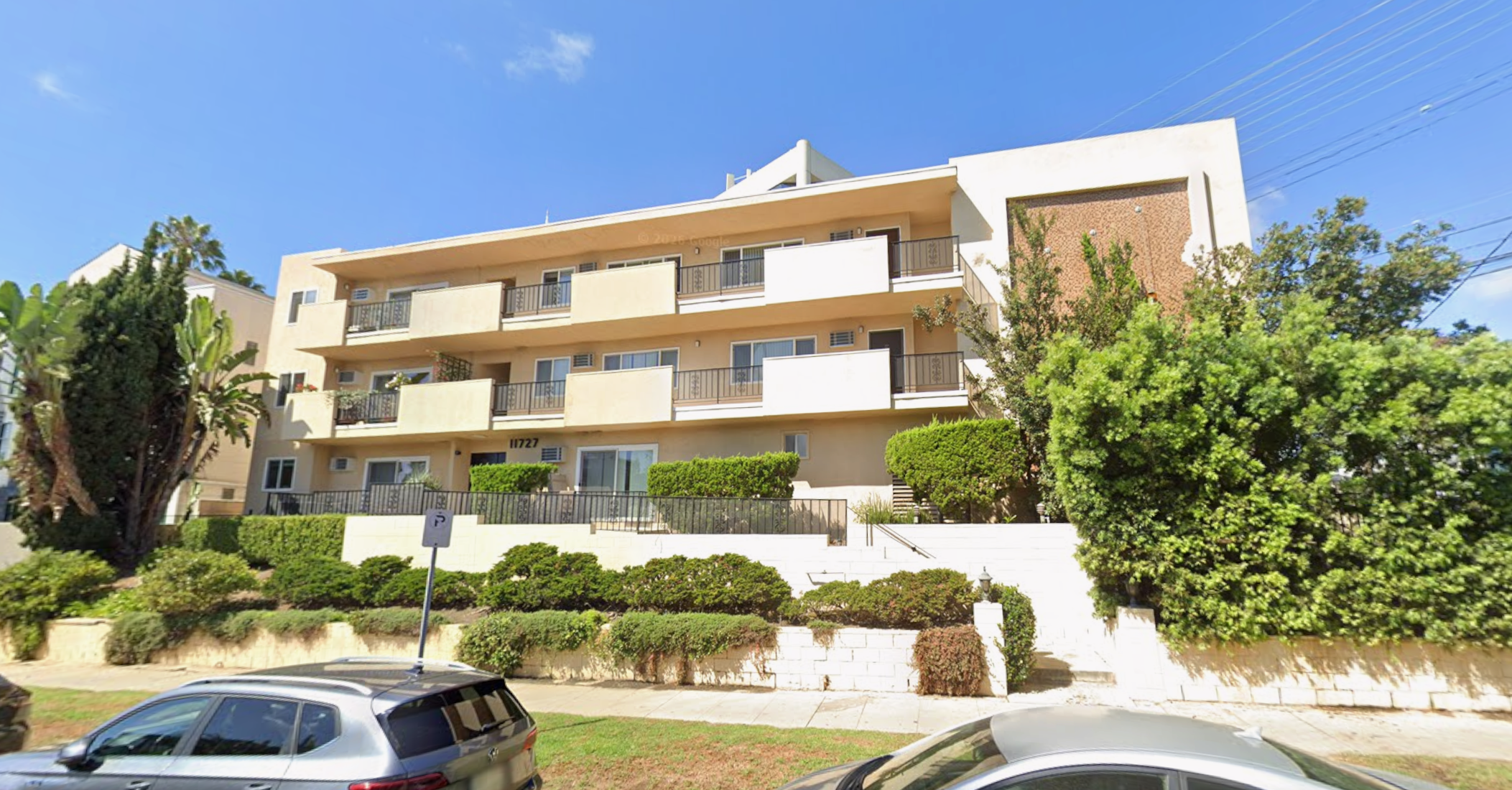
Brentwood offers prestige location with practical underwriting questions
Brentwood has long been associated with affluence, but for apartment building investors, it offers something equally important: opportunity. While Santa Monica commands premium pricing and comes with restrictive rent control, Brentwood provides a more accessible entry point into the Westside market with meaningful value-add potential.
Pricing depends on the building. Buyers will review current rents, expenses, unit quality, location, rent regulation, capital needs, and recent verified Westside sales before assigning a premium.
Location drives long-term value
Brentwood's proximity to major employment centers makes it a desirable place to live. The neighborhood sits just south of the 405 freeway, putting UCLA, the Getty Center, and the broader Century City employment hub within easy reach. Families are particularly drawn to the area because of the highly rated schools, the residential character of the neighborhood, and the relative quiet compared to more commercial parts of the Westside.
The demographic profile supports strong rental demand. UCLA employs thousands of faculty and staff who need housing close to campus. The Getty Center draws visitors year round, and the adjacent Getty Village has become a cultural anchor. Meanwhile, Century City continues to expand as a business district, with new office developments bringing more workers who need places to live.
Rent rules and turnover assumptions
Unlike Santa Monica, Brentwood is generally evaluated under Los Angeles and state rent frameworks rather than a Santa Monica-specific rent board. Owners and buyers should confirm building-specific rules before relying on rent-growth assumptions.
Where AB 1482 applies, Civil Code section 1947.12(b) allows an initial rent outside its annual cap for a new tenancy if no tenant from the prior tenancy remains in lawful possession. The cap applies to subsequent increases. Local rent rules and tenancy facts need separate review with qualified counsel.
The aging inventory creates your upside
A significant portion of Brentwood's apartment stock dates from the 1960s and 1970s. These buildings were constructed during a period of robust multifamily development, and many have not seen meaningful upgrades in decades. For investors, this is exactly what you want to see.
Older properties often trade at a discount to their replacement cost, and they respond well to capital improvements. Unit renovations, updated kitchens and bathrooms, new flooring, and modern lighting can push rents significantly higher. Common area improvements, such as updated lobbies, refreshed landscaping, and enhanced security features, also contribute to premium positioning.
Value-add potential is strongest when the rent roll, unit condition, and improvement plan support the story. Static neighborhood averages are not enough to price an individual Brentwood building.
Lot sizes and development potential
Brentwood properties tend to sit on larger lots than what you find in Santa Monica. This is a remnant of the neighborhood's suburban development pattern. Larger lots translate into more ground floor units, more parking, and in some cases, additional development potential.
While the entitlement process in Los Angeles can be challenging, properties with favorable zoning and larger lot coverage may qualify for additions or redevelopment under the city's Transit Oriented Communities guidelines. This optionality adds another layer of value to Brentwood investments, particularly near the Expo Line stations.
Occupancy and rental trends
Brentwood benefits from durable tenant demand, limited comparable supply, and proximity to major Westside employment. Current rent and vacancy assumptions should be verified against the building's own rent roll and recent market data before being used in a valuation.
Owners should compare in-place rents against realistic market rent, not aspirational rent. Buyers will discount assumptions that are not supported by current units, condition, and legal rent framework.
Who should consider Brentwood?
Brentwood is ideal for investors who want Westside exposure but find Santa Monica pricing too aggressive. The neighborhood offers a balance of prestige and accessibility that is hard to match. If you have a value-add strategy and are comfortable with moderate risk, Brentwood should be on your radar.