Why Westwood Investors Are Sitting on Gold
If you are looking for a Westside multifamily market that combines stable income, strong appreciation potential, and deep tenant demand, Westwood in zip code 90024 deserves careful review. This neighborhood is structurally supply constrained, and that scarcity is exactly why buyers scrutinize each building's income and condition closely.
The UCLA advantage: durable tenant demand
The single biggest factor driving Westwood's multifamily performance is its relationship with UCLA. Students, graduate students, medical residents, faculty, staff, and nearby professionals create durable rental demand that most Los Angeles areas cannot match.
UCLA's academic calendar matters when reviewing lease expirations and expected turnover. Any rent-growth assumption still depends on the leases and applicable rent rules.
Planned D Line service to Westwood
Metro's D Line Extension Section 3 remains under construction in Westwood. The planned Westwood/UCLA station is not yet in service. See Metro's project updates for construction and service information.
Limited Inventory Creates Bidding War Dynamics
Westwood inventory is limited, and that scarcity matters. Owners should still avoid pricing from scarcity alone. Buyers will look at current income, unit mix, condition, rent regulation, proximity to UCLA, and the quality of the comp set.
Competitive buyer demand can support value, but only when the rent roll and property condition justify it. Current pricing metrics should come from verified closed sales and a property-specific value review.
Persian Square and the Wilshire Corridor Premium
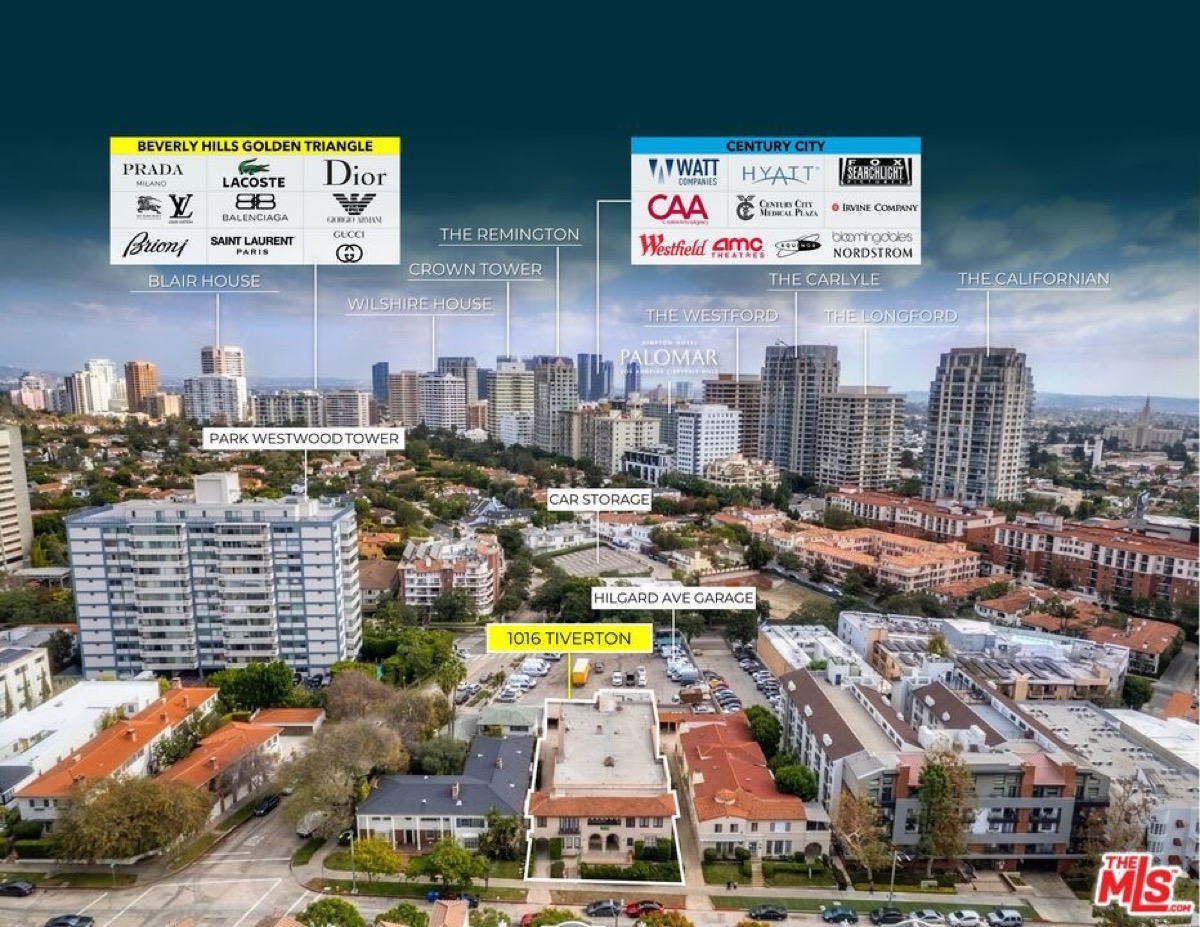
Westwood sits at the crossroads of two high demand corridors. Persian Square, often called the "Little Persia" district along Westwood Boulevard, provides the neighborhood with a commercial anchor that draws residents from across Los Angeles. Meanwhile, the Wilshire Corridor connects directly to Century City, one of the largest job centers on the Westside.
Investors should note that properties along or near these corridors command a premium. The walkability factor cannot be overstated. Tenants in Westwood Village and surrounding blocks have access to restaurants, grocery stores, pharmacies, and services all within walking distance. This convenience premium translates directly into higher occupancy rates and faster lease-up times for renovated units.
Why New Construction Remains Rare
Despite strong demand, new multifamily construction in Westwood remains limited. The reasons are structural. Land costs are extremely high, zoning complexity creates delays, and the existing rent control environment makes new development economics challenging. This is actually good news for existing property owners. When supply cannot keep pace with demand, your existing inventory becomes more valuable, not less.
For investors considering value-add strategies, this scarcity creates an attractive dynamic. You can renovate units, increase rents, and improve property values knowing that new competition is not coming online to undercut your pricing. The supply-demand equation in Westwood favors existing owners for the foreseeable future.
Investment Thesis Summary
Westwood is not usually a market for speculative investors looking for quick flips. It is a hold-and-collect market where patient capital looks for stable demand, scarce inventory, and long-term location quality. The specific value still depends on the building's actual income, expenses, condition, and buyer demand.
If you want exposure to Westside fundamentals, UCLA-adjacent tenant demand, and transit-driven interest, Westwood should be reviewed carefully. The right move depends on the individual building, not a generic neighborhood thesis.